
Evolution of ERP Systems
From Traditional to AI-Driven ERP
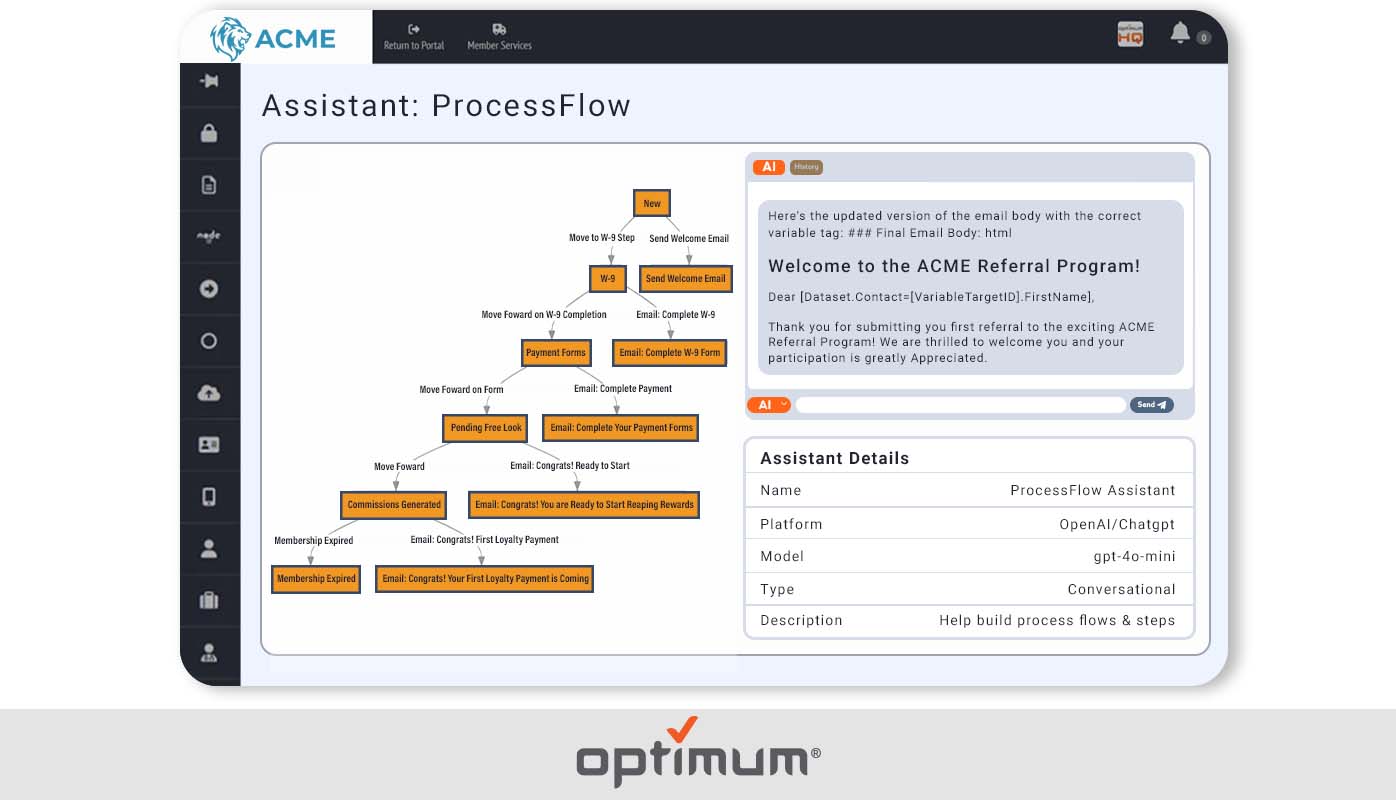
Traditional ERP software centralizes core functions like finance, HR, and inventory. However, these systems often suffer from rigidity and slow adaptability.
AI-driven ERP systems, in contrast, integrate machine learning, data analytics, and automation to create a dynamic, responsive system that evolves with your business.
Embedded AI in cloud ERP applications will drive a 30 percent faster financial close by 2028.
Key Limitations of Legacy ERP
- Manual data entry
- Delayed decision-making due to outdated reporting
- High implementation and maintenance costs
- Poor user experience
How AI Is Revolutionizing ERP
AI Technologies Used in ERP
AI leverages technologies like:
For predictive analytics and trend forecasting.
For smart chatbots and voice commands.
For automating repetitive tasks.
Used in industries like manufacturing for quality control.
Machine Learning and Automation in ERP
Machine Learning (ML) enhances ERP by turning static data into actionable intelligence. It continuously analyzes historical and real-time data to uncover patterns, trends, and anomalies that human users might miss.
For example, in supply chain management, ML can predict demand spikes based on seasonality, customer behavior, or market conditions, helping businesses proactively adjust inventory levels. In manufacturing, it detects early signs of equipment failure, enabling predictive maintenance before costly breakdowns occur.
When combined with automation, ML streamlines processes like invoicing, approval workflows, procurement, and payroll. This reduces manual input, minimizes errors, and accelerates business operations, all while freeing up teams to focus on higher-value tasks.
Core Features
Smart Forecasting
AI uses historical data, seasonal patterns, and market trends to deliver highly accurate demand forecasts. This allows businesses to proactively manage stock levels, align production schedules with actual demand, and avoid costly overstocks or stockouts. Smart forecasting also helps teams make informed purchasing decisions and respond quickly to shifting customer needs.
Intelligent Inventory Management
With real-time inventory tracking and predictive restocking, AI ensures you’re never caught off guard. The system monitors inventory movement across locations, anticipates reorder points based on velocity, and can even automate purchase orders. This results in leaner inventory, lower carrying costs, and a supply chain that runs with precision and minimal waste.
AI CRM
Easy ERP AI enhances customer relationship management by automating lead follow-ups, segmenting customers based on behavior, and delivering personalized interactions at scale. It helps sales and support teams prioritize high-value opportunities, track engagement history, and trigger workflows based on customer actions, creating a seamless and intelligent experience from prospect to retention.
Benefits
AI automates time-consuming tasks across departments, like data entry, approvals, and reporting, so your team can focus on high-value work. This results in faster turnaround times, fewer bottlenecks, and smoother daily operations.
By reducing manual labor and minimizing errors, AI-powered ERP significantly cuts overhead expenses. Automated workflows reduce reliance on large administrative teams while improving speed and accuracy at scale.
AI eliminates the inconsistencies of manual input and provides real-time insights through intelligent analytics. Reports are more precise, decisions are backed by clean data, and compliance is easier to manage.
Whether you’re a growing startup or a large enterprise, Easy ERP AI adapts to your changing needs. Modular architecture lets you add users, features, and integrations without disrupting your existing workflows.
Industry Use Cases
Manufacturing
AI ensures optimal production schedules, detects machine anomalies, and minimizes waste.
Retail
Real-time sales tracking, customer behavior analysis, and inventory automation help retailers serve better and sell smarter.
Healthcare
AI helps manage patient data, track medical inventory, and ensure compliance with health regulations.
SMEs
Small and medium-sized enterprises benefit from affordable, cloud-based Easy ERP AI without needing a large IT team.
Easy ERP AI vs Traditional ERP
| Feature | Traditional ERP | ERP AI |
|---|---|---|
| Automation | Limited | High |
| User Interface | Complex | Intuitive |
| Data Analysis | Static Reports | Predictive & Real-Time |
| Cost Efficiency | Expensive | Subscription-Based |
| Integration | Manual Setup | Seamless APIs |
Deployment Options
Cloud-Based ERP AI
Cloud-based deployment gives businesses the freedom to access their ERP system from anywhere, on any device. It reduces upfront infrastructure costs, supports automatic updates, and scales effortlessly as your company grows. This option is especially useful for remote teams and fast-moving organizations looking for agility without the burden of IT maintenance.
On-Premise Solutions
On-premise Easy ERP AI is ideal for businesses that require complete control over their data and infrastructure. It’s well-suited for industries with strict compliance requirements, such as finance, healthcare, or government. While it involves higher initial investment and IT overhead, it offers full customization, enhanced privacy, and tighter internal security protocols.
Integration Capabilities
Seamlessly connects with:
- CRM systems
- Supply Chain Management (SCM)
- HR Management (HRM)
- Accounting software (QuickBooks, Xero)
- External APIs and third-party tools
Data Security and Compliance
Easy ERP AI platforms prioritize security at every level, using AI-driven anomaly detection to spot irregular activity in real time and prevent breaches before they escalate. Role-based access control ensures that only authorized users can view or edit sensitive information, reducing internal risk.
These systems are designed to meet stringent regulatory requirements such as GDPR, and include built-in features like end-to-end encryption, automated data backups, and comprehensive audit logs. Together, these safeguards help protect your data’s integrity while keeping your operations compliant and audit-ready.
User Experience and Accessibility
Enjoy a mobile-first, user-friendly interface with:
- Drag-and-drop dashboards
- Voice commands for executives on the go
- Personalized UI based on user roles
Customization and Scalability
Built on a flexible modular architecture, AI ERP allows businesses to start with essential features and seamlessly scale as needs evolve. Whether you require custom workflows tailored to unique operational processes, personalized forms for specific data capture, or detailed reports that align with your KPIs, this platform adapts effortlessly.
The system supports industry-specific customizations without sacrificing performance, empowering companies to innovate while maintaining control. As your business grows, ERP AI scales smoothly, adding new modules, integrating third-party tools, and supporting more users without disruption.
With user-friendly configuration tools and no-code customization options, even non-technical users can adjust the platform to fit their evolving requirements, ensuring agility and long-term value.
Implementation Process
Planning and Migration
Implementing begins with strategic planning. Businesses must define their goals, assess their current systems, and map out a clear migration path. A successful migration includes:
- Data cleanup and transfer
- Workflow mapping
- Risk assessment
- Parallel testing with legacy systems
Training and Support
AI providers often include:
- Interactive training sessions
- Role-based tutorials
- 24/7 customer support
- Dedicated account managers
Costs and Pricing Models
| Pricing Model | Description |
|---|---|
| Subscription-Based | Monthly or yearly payments with scalability based on users/modules. |
| Pay-as-You-Go | Ideal for startups or project-based implementations. |
| Custom Enterprise Plans | Tailored for large organizations needing extensive integration and customization. |
Future Trends in AI ERP
- Predictive Analytics: Better forecasts for sales, supply, and customer behavior.
- Autonomous Processes: Self-correcting workflows that adapt to anomalies.
- Voice-Activated ERP Systems: Executives can ask questions and get real-time data via voice assistants.
- Augmented Reality (AR) Integration: Useful for training, warehouse navigation, and repair instructions.
Choosing the Right Easy ERP AI Vendor
Evaluation Checklist
- Is the system user-friendly?
- Does it offer strong AI features (e.g., forecasting, automation)?
- What integration options are available?
- Is the vendor reputable with proven success in your industry?
- How responsive is their support?
Questions to Ask Providers
- What is your average implementation time?
- Can I see a live demo tailored to my business?
- How do you handle data migration?
- What’s your policy on software updates and security?
FAQ
1. What Makes This AI-Driven ERP System Different From Traditional Solutions?
Unlike older ERP platforms that rely heavily on manual input and static reports, this system uses machine learning and automation to provide faster insights, streamlined workflows, and greater adaptability.
2. Is This Platform a Good Fit for Small Businesses?
Yes. It’s designed with flexibility in mind, offering cloud-based deployment and modular features that grow with small and mid-sized businesses without overwhelming them with complexity.
3. How Long Does Implementation Usually Take?
The timeframe varies depending on business size and existing infrastructure, but most organizations can expect full deployment within a few weeks to a few months.
4. What Kind of Support Can Users Expect Post-Installation?
Most providers include 24/7 support, in-depth documentation, live training sessions, and account management to ensure a smooth transition and long-term success.
5. Can the System Be Tailored to Industry-Specific Needs?
Absolutely. Many solutions come with specialized modules for sectors like retail, healthcare, and manufacturing, and offer customization tools to align with unique workflows.
6. How Secure Is My Data?
Security is a top priority. These systems typically include end-to-end encryption, role-based access control, multi-factor authentication, and regular compliance audits.
The business world is moving fast, and companies that fail to adapt are left behind. Easy ERP AI isn’t just a trend. It’s a transformative tool that empowers businesses with smarter data, faster decisions, and streamlined operations.
Whether you’re a small startup or a large enterprise, integrating AI into your ERP system can supercharge your performance, save money, and give you a competitive edge.