
AI-powered ERP systems are redefining how businesses operate by combining enterprise resource planning with artificial intelligence. These intelligent platforms offer real-time insights, predictive analytics, and automation that drive smarter, faster decision-making. By integrating AI ERP into your digital strategy, you can streamline operations, reduce costs, and gain a competitive edge in today’s data-driven economy.
Key Takeaways:
- AI-powered ERP systems combine traditional enterprise resource planning with artificial intelligence to deliver smarter, faster, and more adaptive business operations.
- These platforms enable real-time data processing, predictive analytics, and intelligent automation, reducing manual work and improving decision-making.
- Key features include machine learning, natural language processing (NLP), and smart dashboards that continuously optimize performance.
How AI Transforms Traditional ERP
Intelligent Automation of Processes
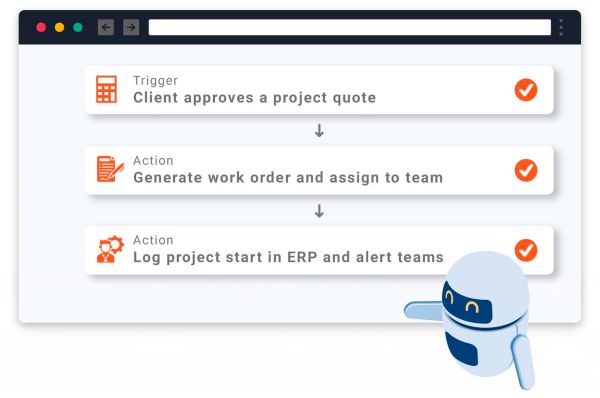
AI enables ERP automation by handling repetitive tasks such as invoice processing, order tracking, and compliance checks. This reduces human error and frees up staff for higher-value work.
Real-Time Data Processing and Predictive Analytics
With ERP predictive analytics, businesses can forecast demand, detect anomalies, and make proactive decisions. AI ensures that insights are timely, relevant, and actionable.
Key Features of AI-Powered ERP Systems
Smart Decision-Making Tools
Modern ERP systems now offer embedded analytics and scenario modeling that provide decision-makers with real-time insights across departments. These tools help teams evaluate multiple outcomes, assess risks, and prioritize resources.
Natural Language Processing (NLP) and Chatbots
ERP platforms that support natural language interfaces allow users to ask questions or trigger workflows using everyday language, eliminating the need to navigate complex menus. Chatbots can assist with routine tasks like checking inventory, pulling reports, or initiating purchase orders.
Machine Learning for Continuous Optimization
By analyzing historical data and ongoing trends, machine learning models embedded in ERP software help optimize operations over time. These systems adjust forecasts, recommend process changes, and identify inefficiencies without manual tuning.
Benefits of Implementing AI
- Increased Operational Efficiency: AI reduces manual workloads and accelerates business processes, leading to faster cycle times and improved productivity.
- Enhanced Data Accuracy and Insights: AI continuously validates and enriches data, resulting in more accurate reporting and better decision-making.
- Reduced Costs and Downtime: Predictive maintenance and intelligent scheduling reduce operational disruptions and lower overall costs.
Industry Use Cases
Manufacturing and Supply Chain
Modern AI ERP systems with embedded intelligence help manufacturers streamline production planning by dynamically adjusting schedules based on material availability, demand forecasts, and equipment status. These systems can monitor machine health in real time, enabling predictive maintenance that reduces unexpected downtime.
Retail and E-commerce
Smart ERP platforms empower retailers with real-time sales tracking, personalized marketing capabilities, and precision inventory control. They analyze customer behavior and buying patterns to tailor promotions and improve customer segmentation. Inventory levels are continuously updated across channels, helping teams manage restocking more accurately and reduce losses.
Healthcare and Pharmaceuticals
In healthcare, intelligent ERP systems are used to manage sensitive patient information, streamline compliance with health regulations, and ensure accurate billing. For pharmaceutical companies, they improve drug traceability, manage controlled substances securely, and coordinate cold-chain logistics for temperature-sensitive medications.
Challenges and Considerations with Integration
Data Privacy and Security Concerns
Enterprise platforms that incorporate advanced intelligence capabilities must adhere to strict data governance standards. This includes complying with regulations like GDPR, HIPAA, and CCPA depending on the region and industry.
Integration with Legacy Systems
Many organizations still rely on legacy ERP systems that lack modern APIs and flexible architecture. Integrating these older platforms with next-generation systems requires custom connectors, data transformation layers, and careful migration planning.
Cost and Complexity of Implementation
Deploying a new intelligent ERP system is not a plug-and-play exercise. It often involves a comprehensive review of current operations, stakeholder alignment, infrastructure upgrades, and employee training.
The Future of AI-Powered ERP
Autonomous ERP Systems
Future systems will be capable of self-configuration, self-healing, and continuous optimization—minimizing the need for manual adjustments. These platforms will adapt in real time to operational shifts, automatically recalibrating workflows, reallocating resources, and resolving exceptions without human intervention.
Integration with Emerging Technologies
The next generation of ERP will be deeply integrated with technologies like IoT, blockchain, and edge computing. This will allow platforms to respond instantly to real-world data—such as a sensor detecting equipment failure or a shipment delay triggering an automatic supply chain adjustment—creating a more connected and resilient operation.
Choosing the Right Solution
Factors to Consider When Selecting a Vendor
When evaluating AI ERP vendors, consider scalability, industry fit, AI maturity, and integration capabilities.
Comparing Top Platforms in the AI Market
Top platforms like Optimum, Oracle, and Microsoft offer robust AI features, but the best choice depends on your business size, industry, and goals.
Building a Business Case for AI Adoption
Quantify the expected ROI, align with strategic objectives, and secure executive buy-in to ensure a successful rollout.
FAQ
Q1: What is an AI-powered ERP system?
Q2: How does AI improve ERP performance?
Q3: What industries benefit most from AI-powered ERP?
Q4: How does AI ERP support predictive analytics?
Q5: What should businesses consider before implementing AI in ERP?
Conclusion
The shift to AI-powered ERP is more than a technological upgrade—it’s a strategic transformation. Businesses that adopt AI ERP solutions position themselves for greater agility, efficiency, and innovation. As AI continues to evolve, so too will the capabilities of ERP systems, making now the ideal time to invest in the future of enterprise intelligence. Contact us today to learn more!