
Table of Contents
- The Crisis of Data Silos
- Why Unifying Siloed B2B Data for AI Insights is Critical
- Optimizing the Supply Chain with Inventory Projections
- 7 Steps to Unifying Siloed B2B Data for AI Insights
- Connecting Route Card Invoicing and Payroll
- The Future of AI Business Solutions
- Conclusion
The Crisis of Data Silos
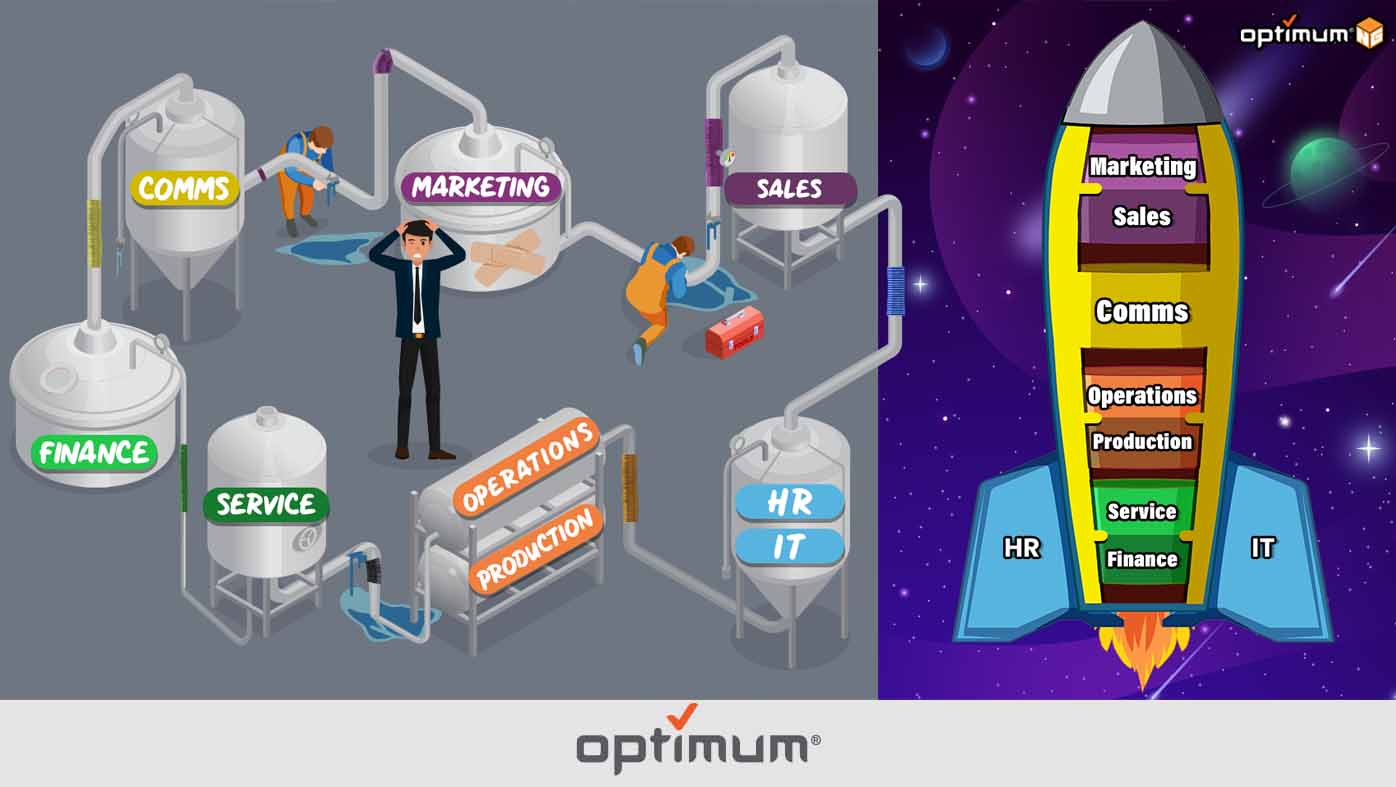
Most businesses grow their tech stack piece-by-piece. You might use one system for PO Picklist management and another for Sales Commissions. Over time, these systems become silos. According to research on data silos, fragmented data prevents leaders from seeing the full picture of their business health, with over 80% of enterprises reporting that these silos disrupt critical workflows.
When you lack a single source of truth, your Management Reports are always out of date by the time they reach your desk. This manual reconciliation is the enemy of speed.
Why Unifying Siloed B2B Data for AI Insights is Critical
To run advanced machine learning models, the data must be clean and centralized. Unifying siloed B2B data for AI insights allows algorithms to identify patterns that a human eye would miss. For example, by connecting Spiff Controls directly to real-time sales performance, AI can suggest adjustments to incentive structures that maximize representative output.
Optimizing the Supply Chain with Inventory Projections
In a fragmented system, your inventory levels often lag behind your actual sales velocity. Optimizing the supply chain with inventory projections requires a direct bridge between your sales floor and your warehouse. When these systems talk to each other, you can automate PO Picklists based on real-time consumption rather than guesswork.
This level of automation ensures that you never tie up capital in excess stock while simultaneously preventing stockouts on high-demand items.
7 Steps to Unifying Siloed B2B Data for AI Insights
To successfully bridge the gap between disconnected systems and AI-driven growth, organizations must follow this structured path toward data maturity:
-
Audit Legacy Route Card Invoicing: Document where manual data entry is slowing down the transition from service completion to billing.
-
Centralize Sales Commissions and Payroll: Link performance data directly to compensation to eliminate manual reconciliation errors.
-
Map Spiff Controls to Sales Schedules: Ensure that sales incentives are aligned with real-time service capacity and team availability.
-
Integrate PO Picklist with Inventory Projections: Move from reactive ordering to predictive procurement based on actual sales velocity.
-
Standardize Management Reports: Consolidate data from all departments into a single source of truth for real-time visibility.
-
Enable Automated Comms/Text Messaging: Connect your central database to customer communication channels for instant service updates.
-
Deploy AI Enablement Across the Stack: With unified data, apply machine learning to identify hidden patterns and optimize ROI.
Connecting Route Card Invoicing and Payroll
Managing Route Card Invoicing and Payroll in separate environments is a primary source of administrative friction. When these systems are siloed, human error in data entry becomes inevitable.
By implementing a unified system, you ensure that every service record automatically triggers the appropriate billing and payroll calculation. This reduces the lag between service delivery and compensation, building trust with your team through total transparency. This level of integration is a core component of AI business solutions that drive long-term operational efficiency.
The Future of Unified Business Intelligence
The next generation of enterprise growth depends on the transition from reactive data to predictive intelligence. The future of operations lies in an ecosystem where Comms/Text Messaging, sales tracking, and financial reporting are no longer separate conversations. This unified approach allows the software to anticipate needs—such as adjusting Sales Schedules or Inventory Projections—before they impact the bottom line.
As businesses move toward a fully integrated digital infrastructure, the goal is to reach a state where AI Enablement is not a bolt-on feature, but the core engine driving every decision from the warehouse to the executive suite.
Conclusion
Breaking down silos is not just about organizing information; it is about reclaiming the time and revenue lost to manual reconciliation and fragmented reporting. When your Route Card Invoicing, Payroll, and Spiff Controls work in unison, you create the necessary foundation for true enterprise-scale intelligence.
The transition to a unified architecture is the only way to ensure your business remains agile in an increasingly automated market. You can explore how these integrated platforms eliminate technical debt, or if you are ready to audit your current stack, you can schedule a consultation to begin the unification process.